
You get what you pay for…
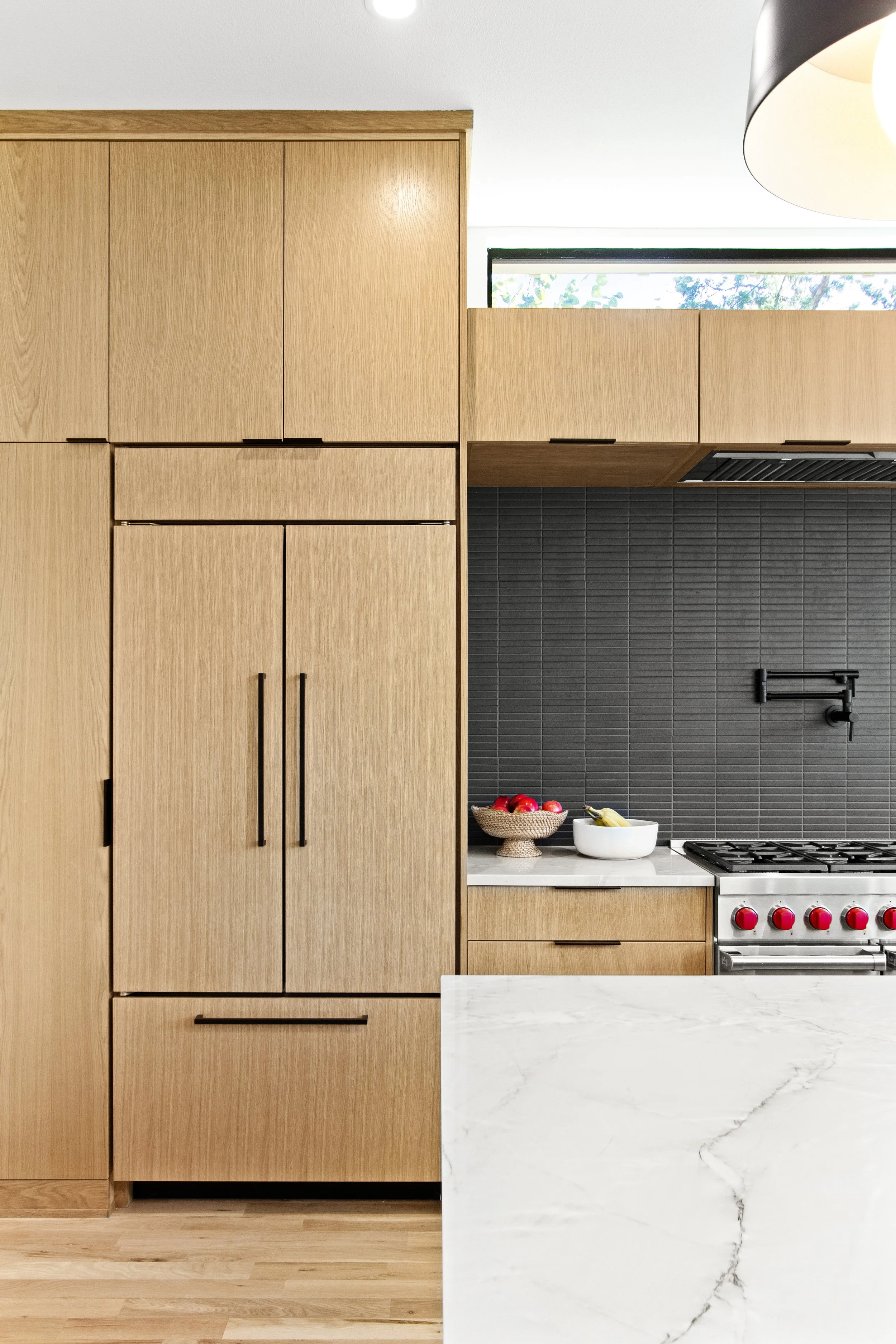
We’ve all heard the saying “you get what you pay for,” and honestly—it can feel frustrating, especially when you’re investing in your home. A remodel or new build is a big decision, and the choices you make along the way can have a real impact on how your home looks, functions, and holds its value over time. A little insight upfront can go a long way in helping your budget work smarter. Here are a few things we often talk through with homeowners as they plan their project.
Cabinets
Cabinetry is one of the biggest investments in most remodels, so it’s worth giving it some extra thought. Solid wood cabinets tend to cost more upfront, but they’re built to last. They’re durable, age well, and can often be repaired easily if they get nicked or scratched.
More budget-friendly options—like veneers over plywood or particle board—can still look great at first, but they’re more likely to show wear over time. Peeling, scratching, or separating can happen, and repairs or color matching down the road can be tricky and costly.
Tile
Not all tile is created equal. Lower-quality tile can crack or chip more easily, leading to repairs you didn’t plan on. When choosing tile, look for options labeled integral color, meaning the color runs all the way through the tile—not just on the surface. This helps hide everyday wear and tear and keeps your space looking good longer.
Windows & Doors
Windows and doors are another major investment—and one that affects more than just curb appeal. Energy efficiency plays a big role in your home’s comfort and monthly utility bills. Prices can vary widely depending on materials like vinyl, wood, or aluminum, as well as performance features. Choosing the right option for your home can make a noticeable difference in how it feels and functions year-round.
Fixtures
Fixtures may seem like small details, but they’re some of the most-used elements in your home. Faucets, shower hardware, and lighting get daily wear, and lower-quality options can wear out, leak, or lose their finish much faster. Investing in well-made fixtures often means smoother operation, better warranties, and fewer replacements down the road—saving both time and money.
Appliances
Appliances are another area where quality matters. While entry-level models can help keep costs down upfront, higher-quality appliances tend to perform better, last longer, and offer improved energy efficiency. Choosing reliable brands and features that fit how you actually use your space can help avoid premature replacements and keep your home running smoothly for years to come.