
Cabinet Styles Explained
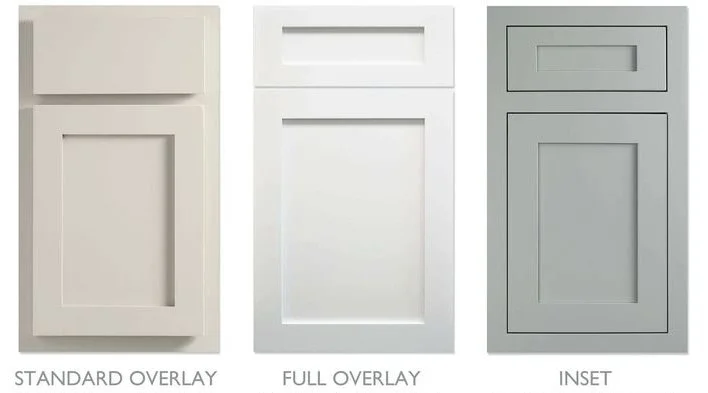
Not sure which style fits your home?
Schedule a consultation with Bella Vista Company, and we’ll walk you through the best options for your home and goals.
Understanding Cabinetry Styles: Standard Overlay vs. Full Overlay vs. Inset
When planning a kitchen, one of the most important (and often overlooked) decisions is the cabinet door style. This choice impacts not only the look of your space, but also cost, function, and long-term durability.
At Bella Vista, we guide clients through these decisions early so that design, budget, and execution stay aligned from the start.
In East Dallas and surrounding neighborhoods, we most often recommend shaker or slim shaker-style cabinet door fronts for a reason; they balance modern and traditional design, appeal to future buyers, and hold up visually over time. Flat panel cabinets work well in newer or heavily modernized homes- but can feel out of place in classic architecture. Raised panel cabinets are best reserved for higher-end traditional remodels where detail matters.
Below is a breakdown of the three primary cabinet door styles we use- along with when and why each makes sense.
Cabinet door style directly impacts cost:
Flat panel → Most cost-efficient (unless they are stain grade / natural wood)
Shaker → Mid-range (best value)
Raised panel → Premium pricing
The difference comes down to labor, materials, and detailing. We always help clients balance style with budget to avoid overspending where it doesn’t add value.
Standard Overlay (Partial Overlay)
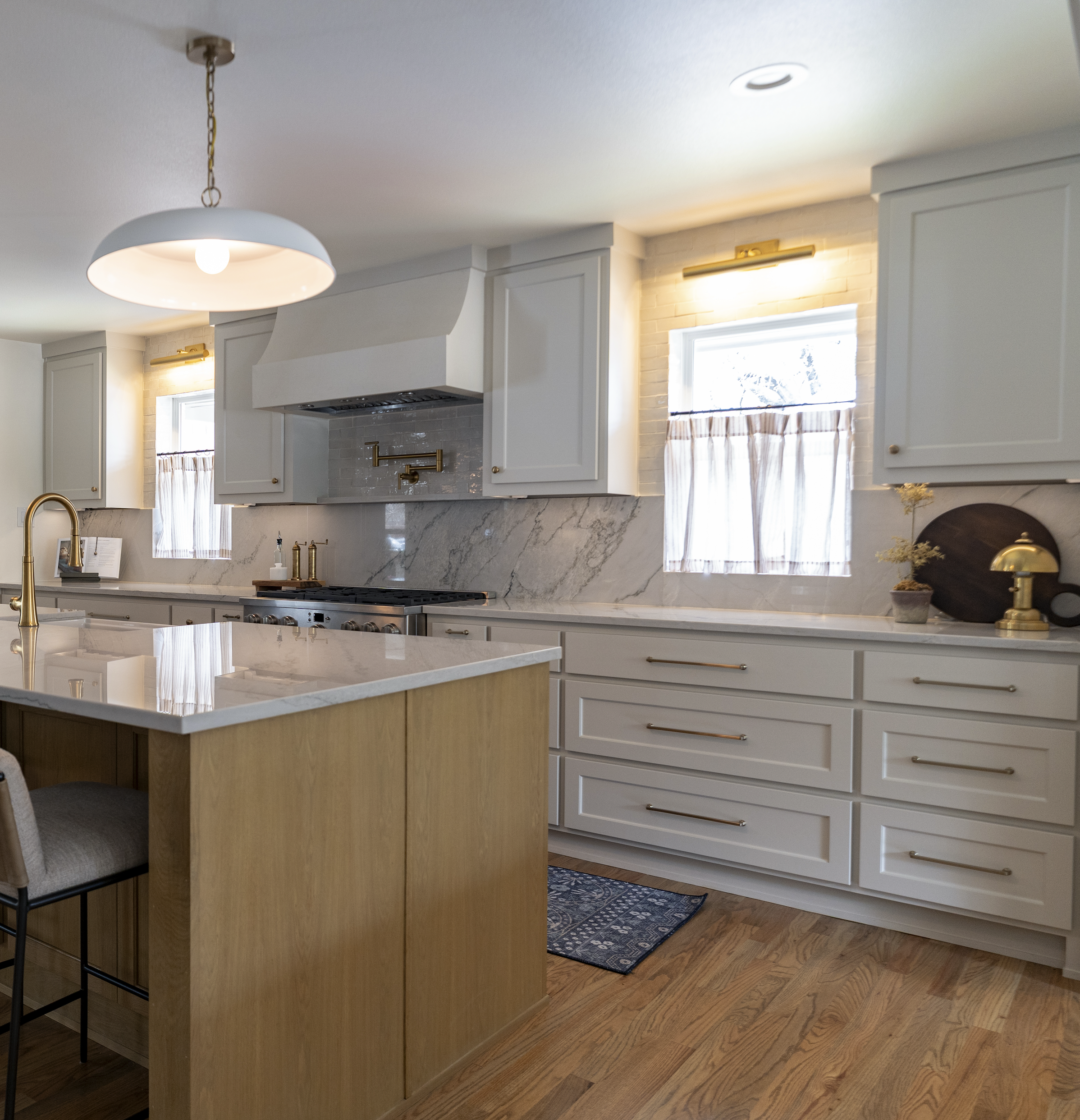
Standard overlay cabinets have doors that cover only part of the cabinet frame, leaving more of the frame visible between doors.
Why we use standard overlay:
More budget-conscious option
Easier to manufacture and install
Can suit certain traditional or utility spaces
When it’s the right choice:
We typically reserve standard overlay for secondary spaces—laundry rooms, rentals, or projects where budget is the primary driver. It’s functional, but visually it does not offer the same level of refinement as full overlay or inset.
If you’re looking for the most budget friendly remodel option for your remodel, than these are the. cabinet style for you! They are functional, affordable and can come in any door style that you’d like. Shaker, Slim Shaker, Flat Panel, or Raised.
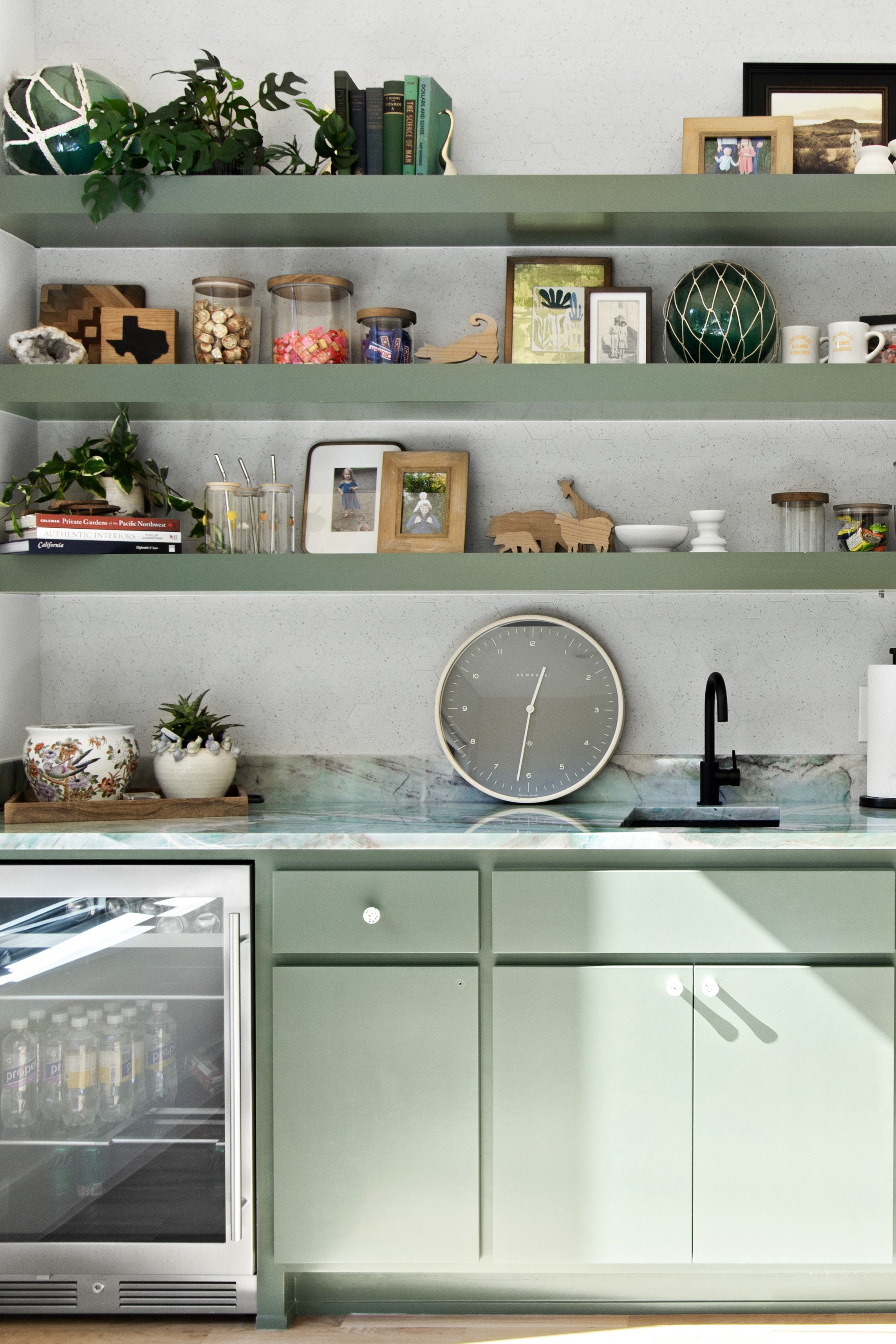
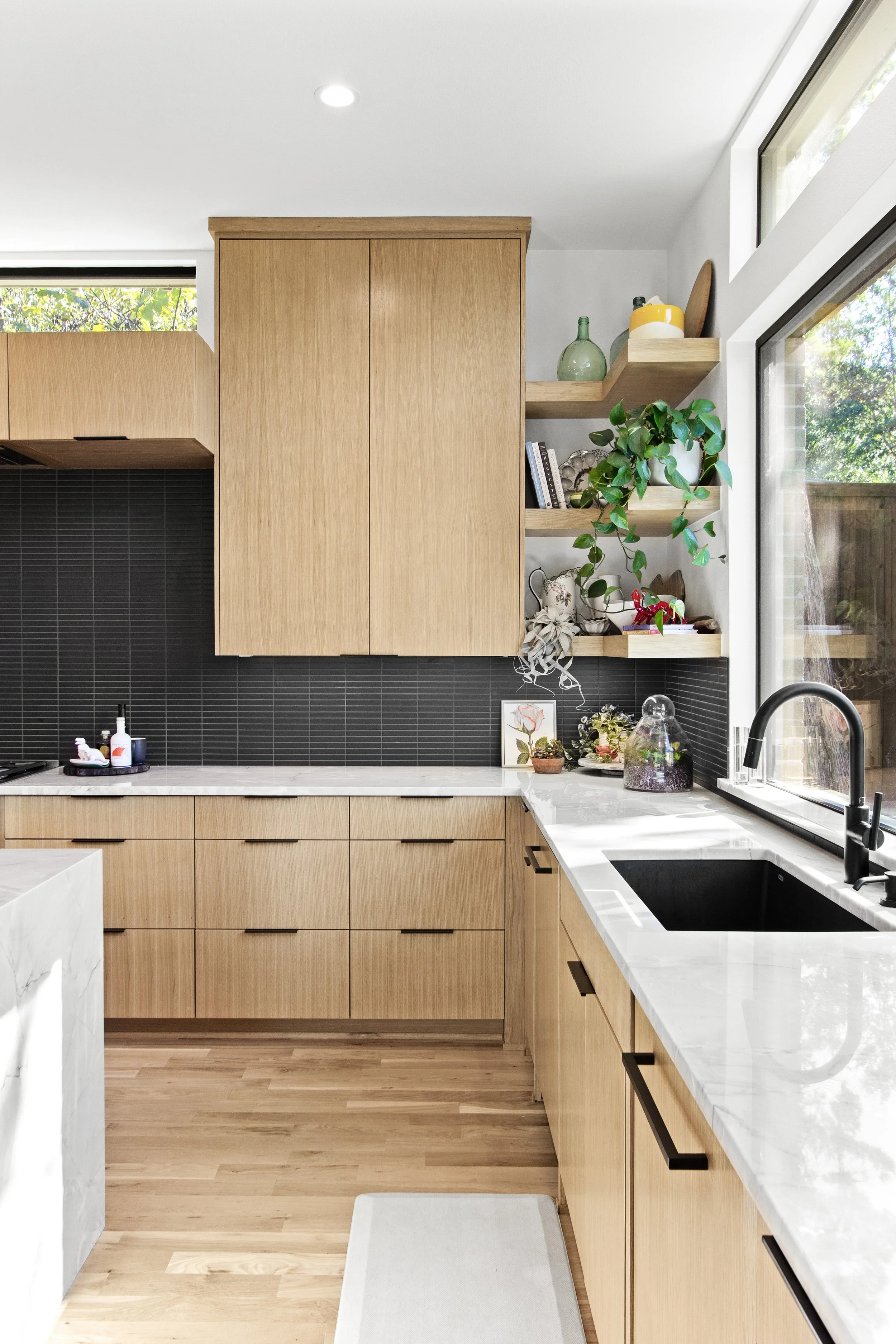
Full Overlay Cabinets
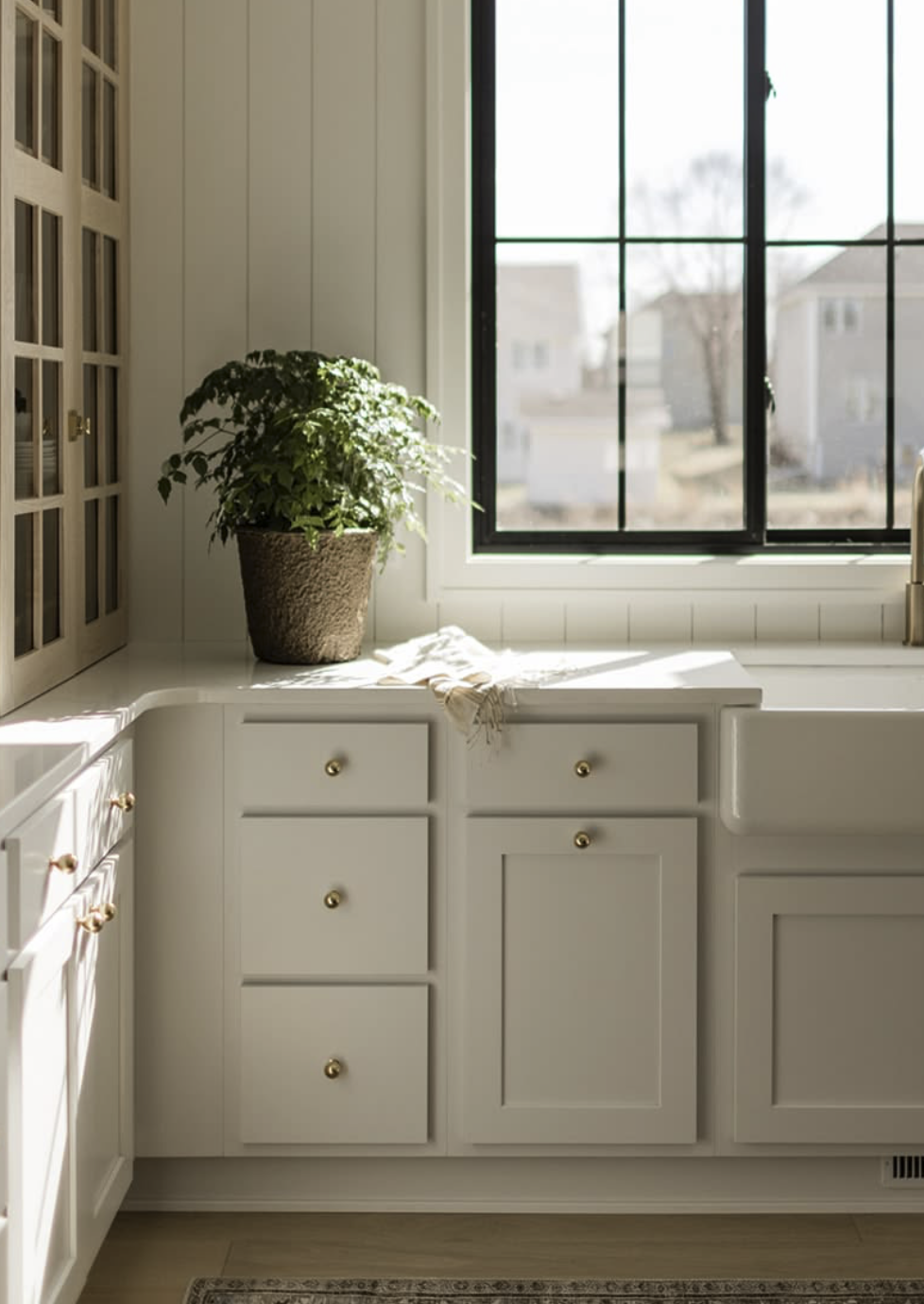
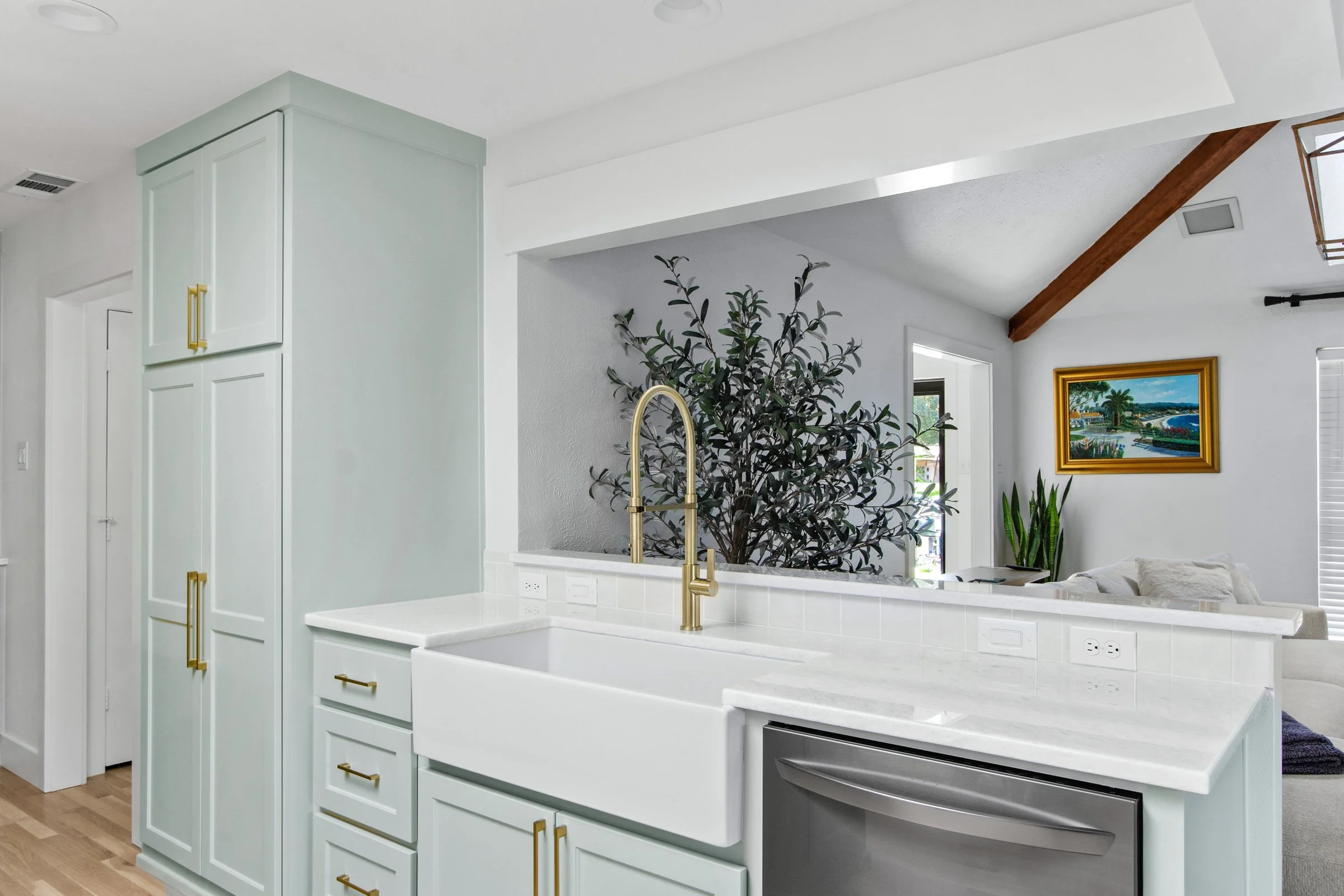
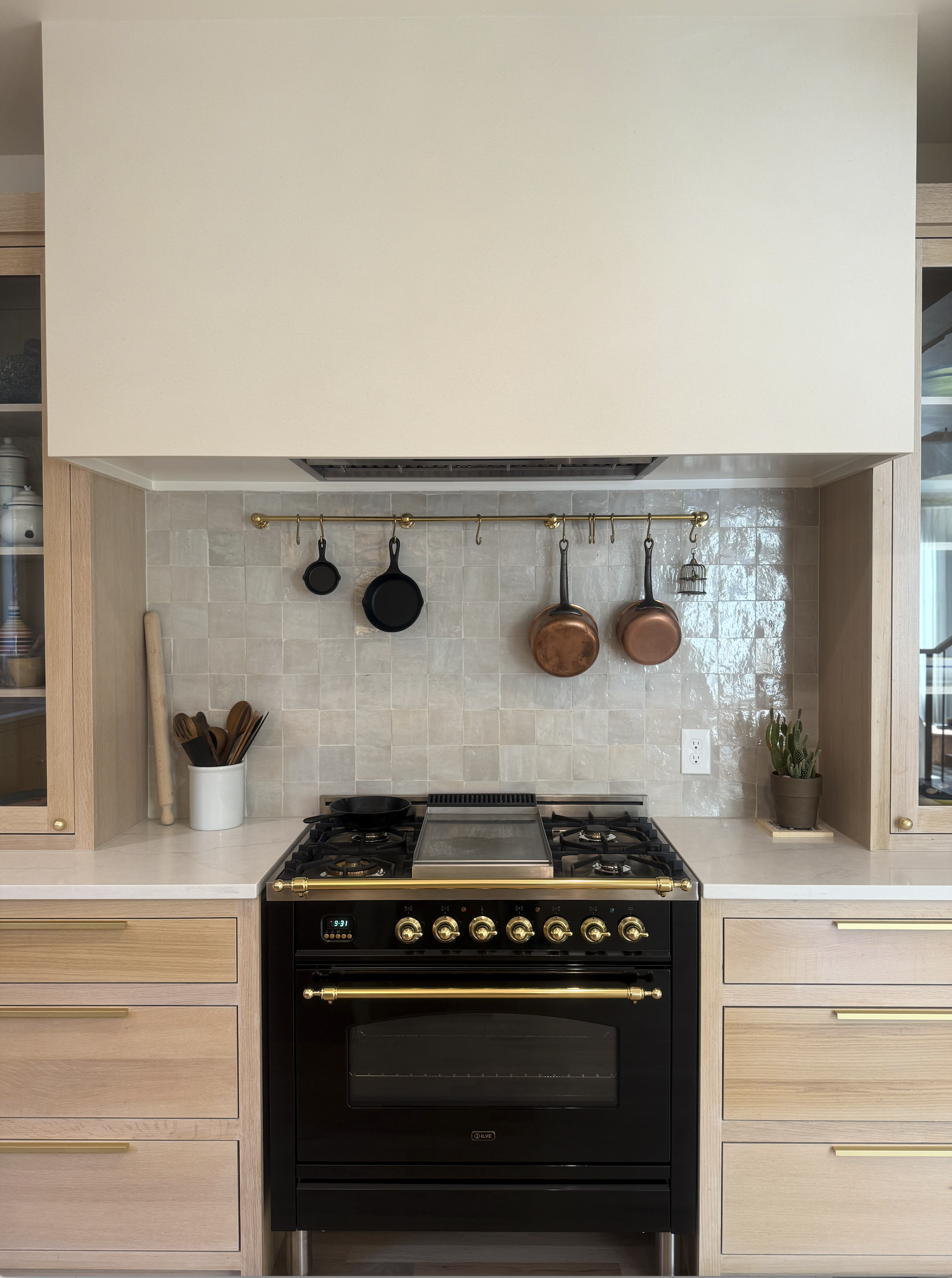
Full overlay cabinets are designed so that the door and drawer fronts almost completely cover the cabinet box, leaving very little visible frame and creating a seamless, continuous appearance.
This construction method is highly versatile- you can pair full overlay with virtually any door style, whether it’s a flat-panel modern look, a classic shaker, or a more traditional raised panel design.
Why we use full overlay:
Creates a clean, modern look
Maximizes visual simplicity and flow
Slightly increases usable interior space
Works well in both contemporary and transitional homes
When it’s the right choice:
We typically recommend full overlay when the goal is a refined, streamlined kitchen that feels current yet timeless. It has become a strong default across many of our projects because it strikes the right balance between aesthetics and practicality.
It also delivers a similarly clean, tailored look to inset cabinetry (which we’ll cover next), but at a significantly more approachable cost.
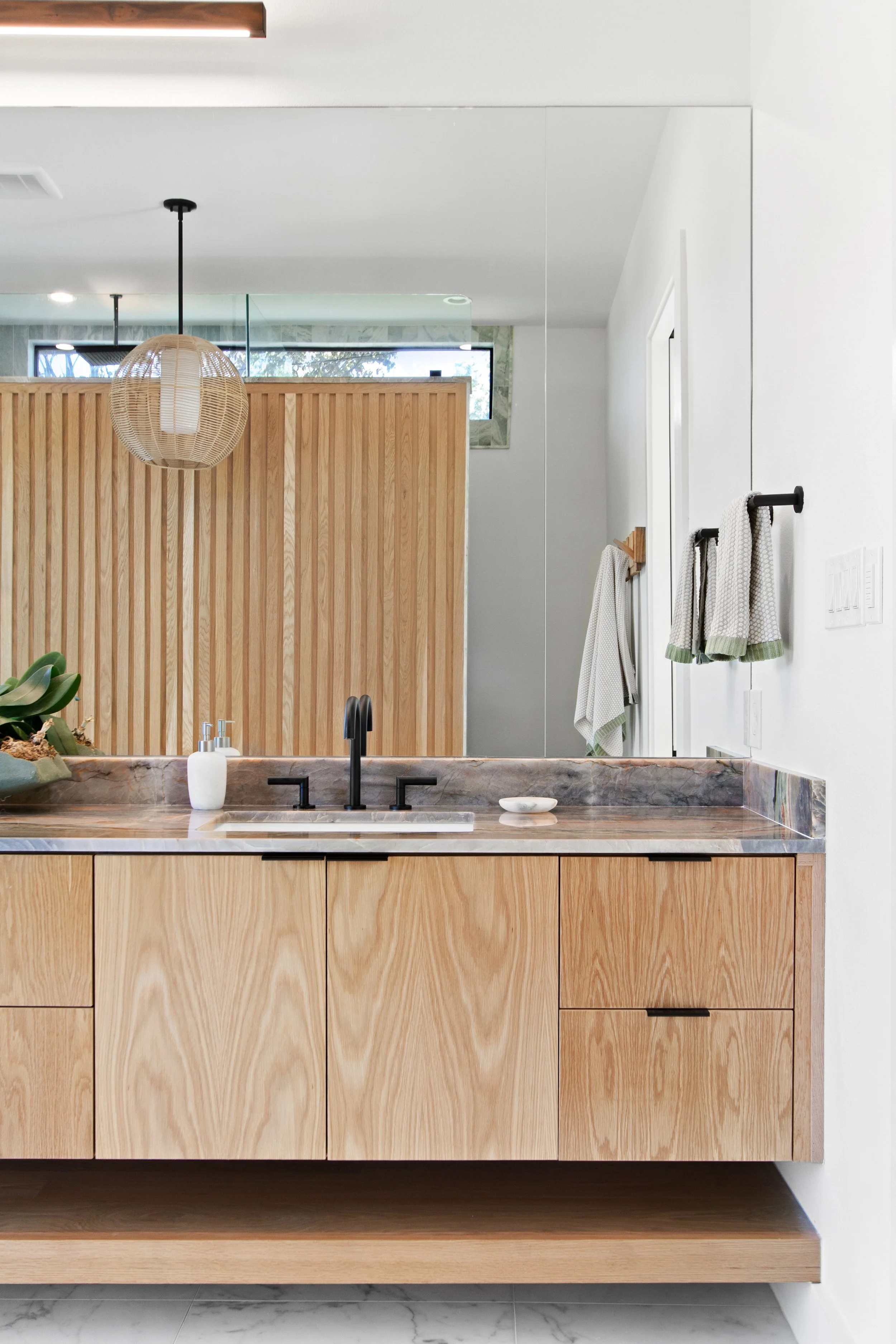
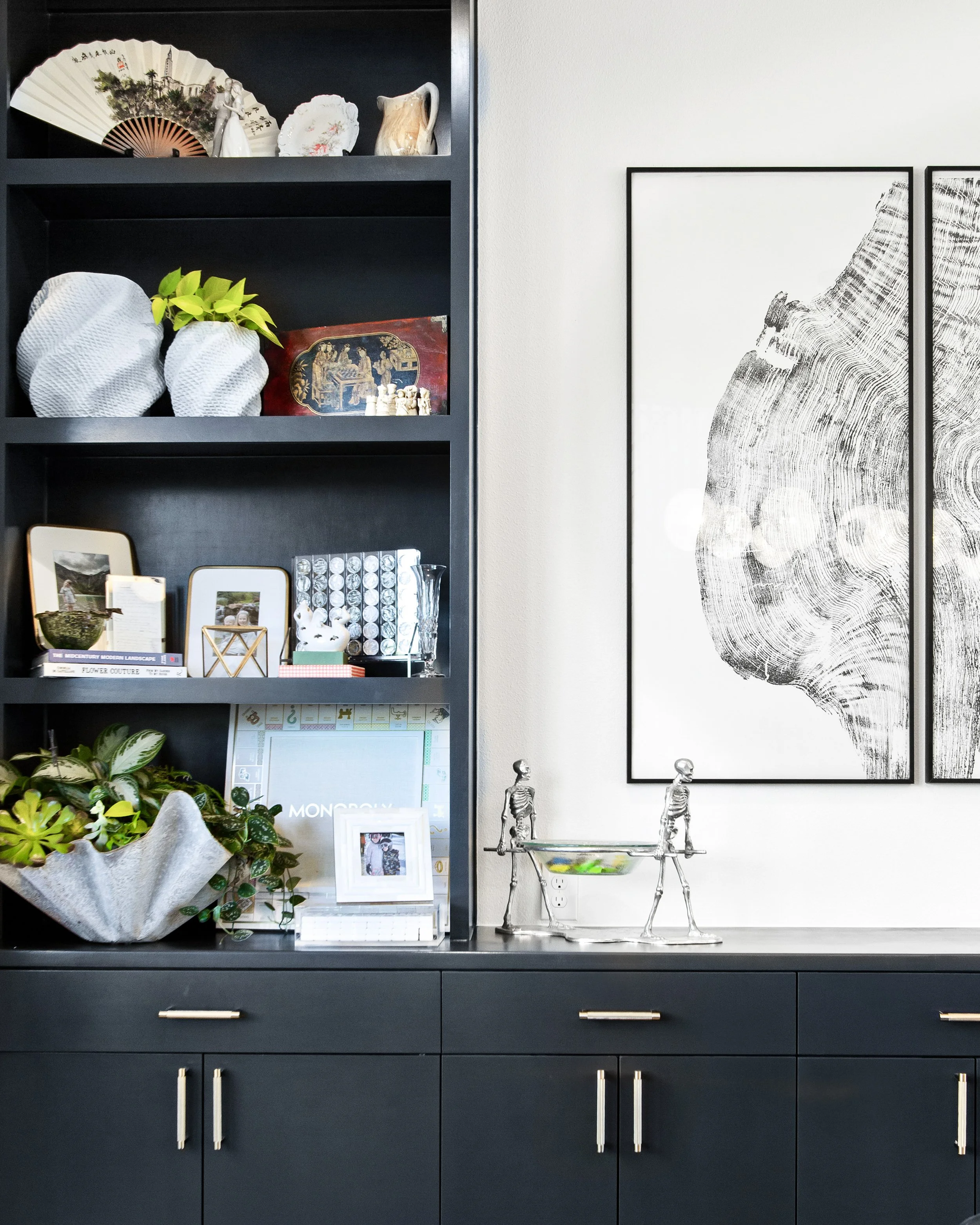
Inset Cabinets
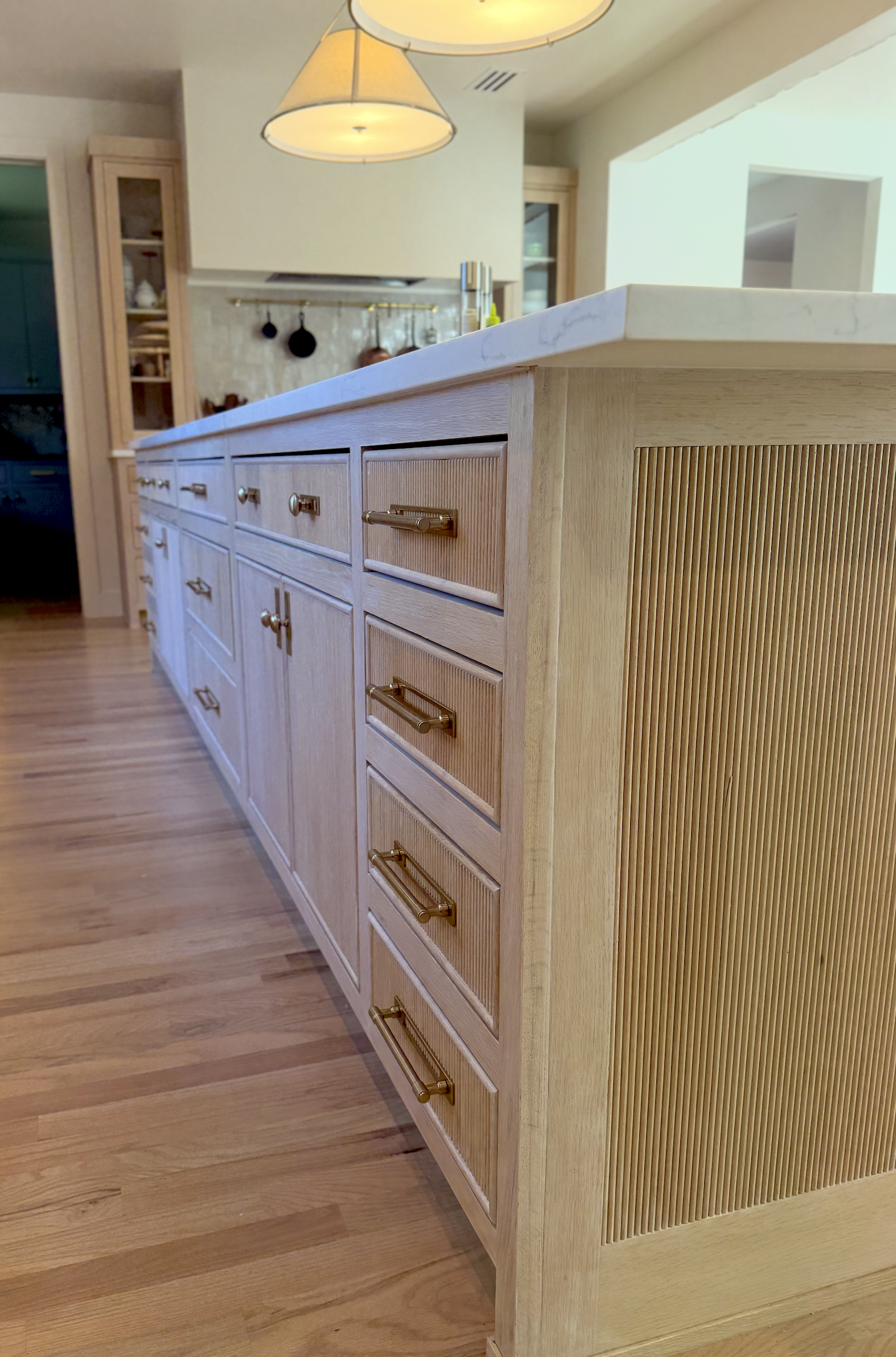
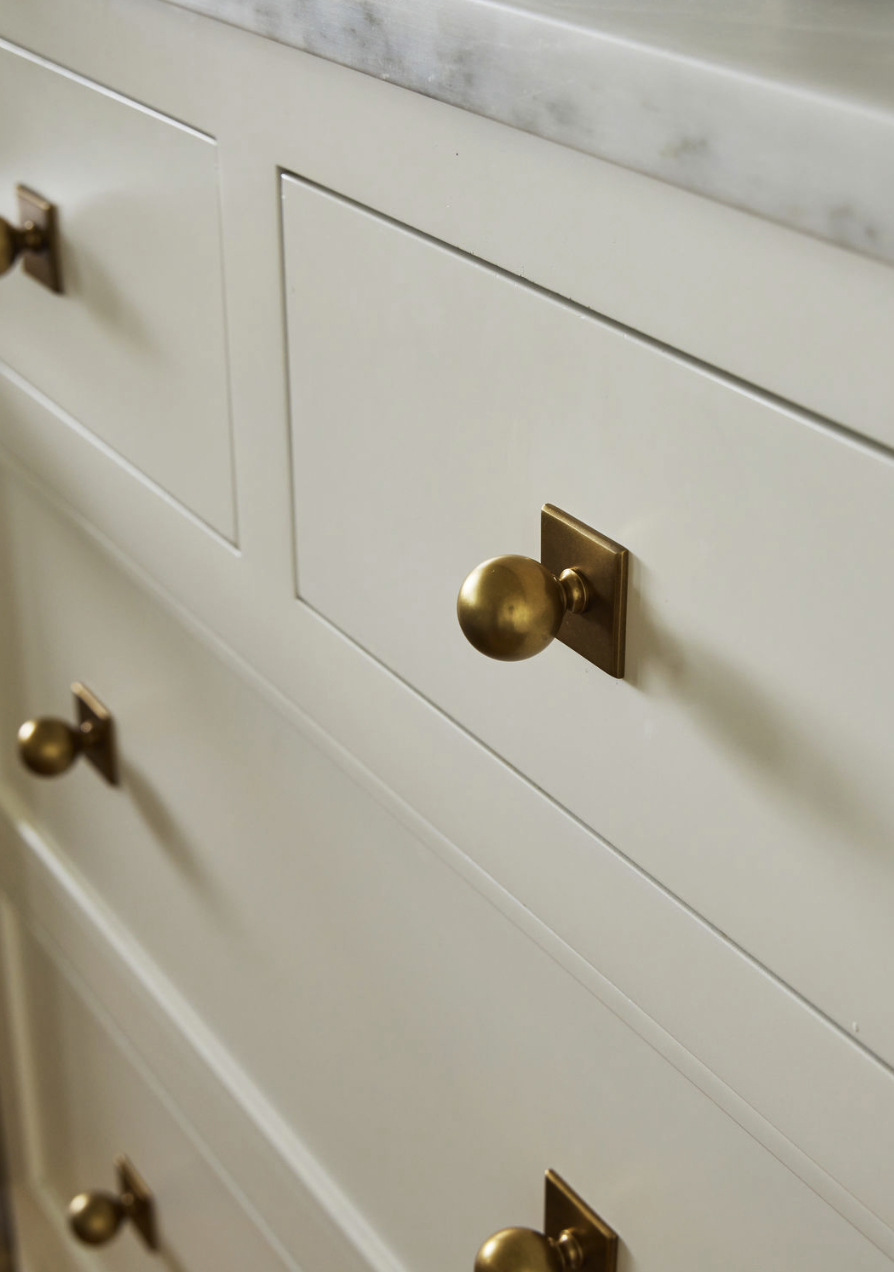
Inset cabinets are built with doors that sit flush inside the cabinet frame rather than on top of it. This creates a very precise, tailored appearance.
Why we use inset:
Delivers a highly custom, furniture-style finish
Offers a classic, elevated aesthetic
Highlights craftsmanship and detail
What to consider:
Requires more precision in construction and installation
Typically higher cost due to craftsmanship and labor
Slightly less forgiving with wood movement over time
When it’s the right choice:
Inset cabinetry is ideal when the design intent leans traditional, historic, or highly custom. We often use it in homes where architectural detail and craftsmanship are a central focus.
Because inset doors are set precisely within the cabinet frame, they require tighter tolerances and a higher level of precision in both fabrication and installation. That level of detail leaves less room for error and increases the overall complexity of the build. As a result, inset cabinetry is typically the most premium option and carries a higher cost than other cabinet styles.
How We Help Clients Decide
At Bella Vista Company, we don’t approach cabinetry as a one-size-fits-all decision. Instead, we look at:
The architectural style of the home
The level of finish the client wants to achieve
Budget allocation across the full project
Long-term durability and usability
Here’s what we tell our East Dallas Neighbors:
Standard Overlay → Best for cost efficiency or secondary spaces
Full Overlay → Best overall balance for most homes
Inset → Best for high-detail, design-forward projects
Final Thought
Cabinetry is one of the most used and most visible elements in a home. Getting this decision right early on prevents compromises later—both visually and functionally.
If you're planning a project, we walk through these options with you in detail so that every selection aligns with how you actually live in the space.
Still not sure what will look best in your home?
Book a no strings attached In-Home Consultation with our design team.